
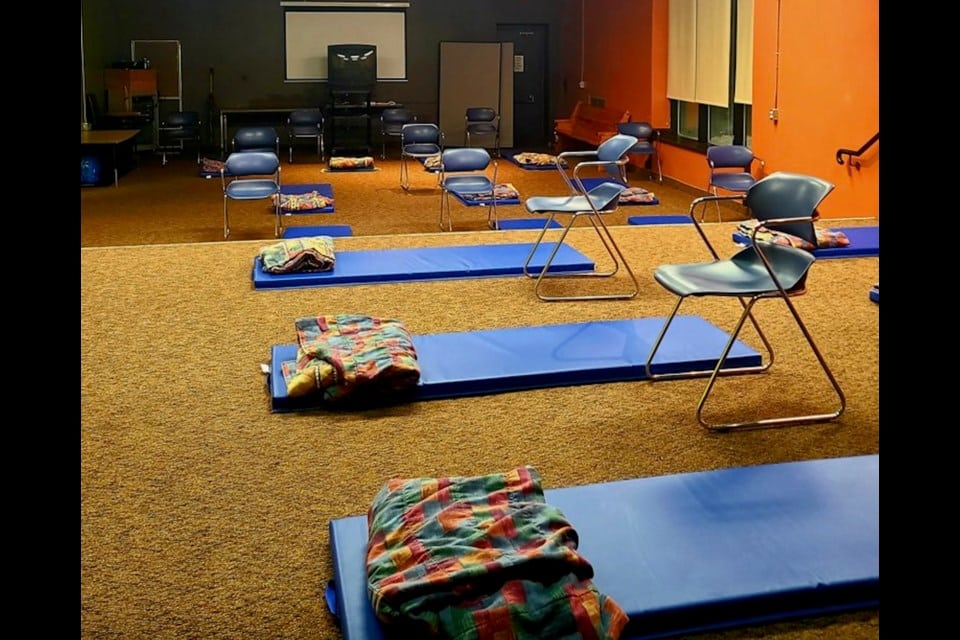
‘Homelessness is not simply a lack of housing; it is a symptom of deeper systemic issues,’ Lighthouse officials explain
This is the 28th in a series of columns written by staff from The Lighthouse to help the community better understand people experiencing homelessness and those who support them. This column appears every other Monday.
Homelessness persists as a pressing issue in communities worldwide (including Orillia), challenging policymakers, activists, and citizens to seek sustainable solutions.
In all cities and rural areas, individuals and families find themselves without stable shelter, facing a number of complex challenges. The multifaceted nature of homelessness has diverse root causes, with many organizations working on current initiatives, and the urgent need for comprehensive strategies to address this humanitarian crisis.
Homelessness is not simply a lack of housing; it is a symptom of deeper systemic issues, including poverty, mental illness, substance misuse, and inadequate social support networks. Each person experiencing homelessness has a unique story, influenced by a combination of economic, social, and personal factors. Therefore, addressing homelessness requires more than temporary shelters and emergency aid — it demands holistic approaches that tackle its underlying causes.
Collaboration is key.
Root causes:
- Economic inequality: Skyrocketing housing costs, stagnant wages, and limited access to health care along with the cost of medications contribute to homelessness. Many individuals simply cannot afford stable housing in today’s housing market, perpetuating cycles of poverty and displacement.
- Mental health and substance abuse: A significant proportion of the homeless population struggles with mental illness and substance abuse disorders. Without adequate support and treatment options, individuals face barriers to housing stability and employment opportunities.
- Systemic discrimination: Marginalized communities, including racial minorities, LGBTQ+ individuals, and people with disabilities, are disproportionately affected by homelessness due to systemic discrimination and lack of access to resources.
Numerous organizations, governmental agencies, and grassroots movements are actively working to end homelessness through various initiatives. Emergency shelters, such as The Lighthouse, provide immediate relief and essential services to individuals experiencing homelessness, offering a safe haven from the streets.
Supportive housing programs, such as The Lighthouse’s, combine affordable housing with wraparound services, including health care and job training, to facilitate long-term housing stability.
The Lighthouse’s outreach program connects with individuals living on the streets or in encampments, offering access to essential resources and support services. Policy advocacy efforts, spearheaded by groups like the Simcoe County Alliance to End Homelessness, advocate for policy reforms at all levels of government to address the root causes of homelessness, including affordable housing initiatives and mental health services.
To effectively end homelessness, we must all adopt a comprehensive approach that integrates housing solutions with supportive services, economic opportunities, and community-based interventions. This includes:
- Housing-first approach: Prioritize providing stable housing as the foundation for addressing homelessness, in collaboration with supportive services to address individual needs.
- Prevention strategies: Invest in homelessness prevention programs, such as rental assistance, eviction prevention, and access to affordable health care, to keep individuals and families housed.
- Collaborative partnerships: Foster collaboration between government agencies, non-profit organizations, businesses, and community stakeholders to pool resources and expertise in addressing homelessness.
- Empowerment and dignity: Treat individuals experiencing homelessness with respect, dignity, and empathy, recognizing their inherent worth and agency in shaping their own futures.
- Long-term solutions: Focus not only on short-term, Band-Aid approaches, but long-term solutions that address the systemic issues driving homelessness, including poverty, housing affordability, and health-care access.
Ending homelessness requires collective action, political will, and compassion from all members of society. By addressing root causes, investing in comprehensive solutions, and prioritizing the dignity and well-being of every individual, we can create communities where everyone has a place to call home. The work of organizations like The Lighthouse is essential as we continue to work toward ending homelessness and providing hope in our community.
Linda Goodall is the former executive director at The Lighthouse. For more information contact Dale Rowe, Executive Director at dale@orillialighthouse.ca
Rosemary Petersen is the assistant director at The Lighthouse.