
Information allows Lighthouse ‘to serve participants in a way that supports their overall well-being and housing success
This is the 33rd in a series of columns written by staff from The Lighthouse to help the community better understand people experiencing homelessness and those who support them. This column appears every other Monday.
It’s a well-known fact that the need for homelessness support services is increasing. The housing crisis and lack of affordable housing are resulting in more people experiencing homelessness or struggling to maintain their housing.
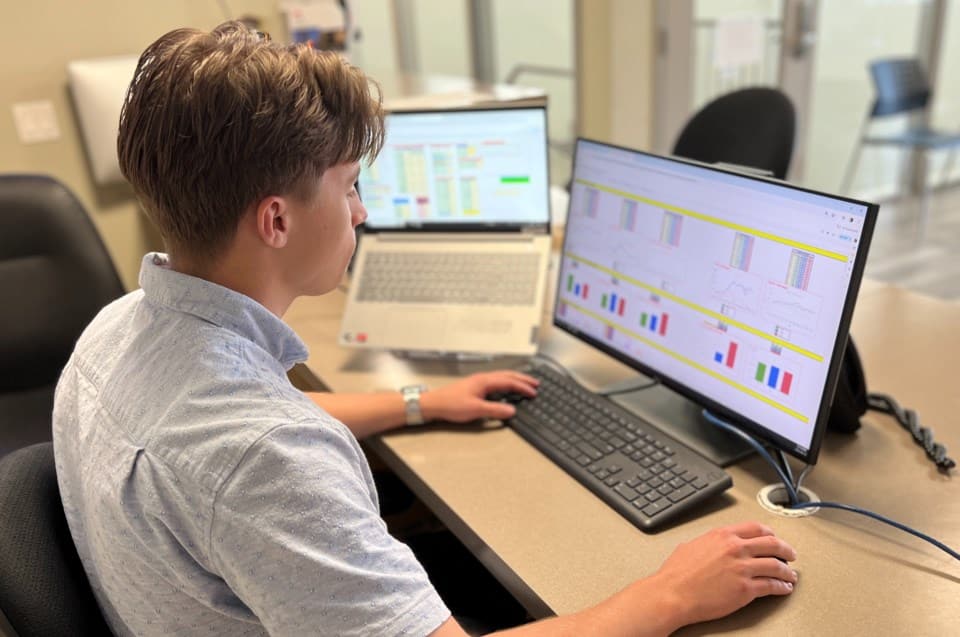
In a data-driven world where information is abundant, data informs decisions that are made. In the homelessness sector, data is equally important. It’s a powerful tool that drives effective policy decisions, determines funding allocations, and influences service delivery decisions that allow us to serve participants in a way that supports their overall well-being and housing success.
In the County of Simcoe, social service organizations that are providing homelessness services use a common database that allows for collaboration and communication between service providers. The Homeless Individuals and Families Information System (HIFIS) is a national system that allows us to measure the extent of homelessness in our community.
A common consent form is used by service providers to ensure participants receive comprehensive services.
By giving consent to have their information recorded in the system, participants allow all service providers who are working with them to have access to the same information. This also promotes participants’ dignity by decreasing the number of times they need to share their stories, thereby avoiding re-traumatization by reliving difficult parts of their stories numerous times.
Not only does HIFIS allow service providers to have access to real-time information; it also allows co-ordination of services. People who are experiencing homelessness are prioritized for services through a co-ordinated access system that ensures available resources are matched to individuals’ needs.
Last year, the County of Simcoe launched a data portal that provides the public with information about emergency shelter use in each geographic area of the county that can be found here.
This information promotes transparency about the shelter system as it allows service providers as well as interested community members to stay up to date on trends in the shelter system and shelter use, as well as knowing when and where shelter beds are available.
The Lighthouse measures a number of indicators regarding the services we provide. The ultimate goal is housing success, and in the first seven months of the year (January to July 2024), we have supported the following:
- 235 individuals sheltered through the emergency shelter and motel voucher programs
- 13,334 nights of safety
- 19 individuals in the supportive housing program
- 712 unique individuals support in the outreach program
- 4,842 interactions through the outreach program
- 74,723 meals served through emergency shelter food services and the community meal program
While the numbers are indeed substantial, it’s crucial to remember the stories behind each figure.
Each data point represents an individual who sought emergency shelter, each with their own unique background and experiences. Beyond the statistics, every person who uses our services has their own strengths, goals, and skills. These individuals bring their own resilience and abilities, using them to navigate challenges and engage with the community. Understanding the human element behind the data helps us appreciate the full impact of our work.
Linda Goodall is the former executive director at The Lighthouse.. For further information contact Dale Rowe Executive Director at Dale@orillialighthouse.ca
Rosemary Petersen is the managing director at The Lighthouse and can be reached at rosemary@orillialighthouse.ca.