
‘Since each person has specific circumstances and needs, the type of housing they require will also be unique,’ says Lighthouse official.
This is the 20th in a series of columns written by staff from The Lighthouse to help the community better understand people experiencing homelessness and those who support them. This column appears every other Monday.
Why can’t people just find housing?
It’s a big question The Lighthouse is frequently asked. As an emergency shelter for men, women and youth, as well as an organization that provides supportive housing, outreach services for people who are experiencing homelessness, a warming centre, a community meal program, and much more, people look to The Lighthouse for input on solutions to the housing crisis.
Housing, or the lack of suitable housing, is a complex issue. Availability of housing, finances, physical and mental health challenges, and interpersonal relationships are just some of the factors that impact people’s housing.
Since each person has specific circumstances and needs, the type of housing they require will also be unique.
In the homelessness sector, we refer to the types of housing as being on the ‘housing continuum.’ The types of housing listed on a housing continuum may vary, but the image below shows what is generally accepted as the housing continuum:

The Lighthouse’s services span numerous areas of this housing continuum.
Encampments are increasing in Orillia and area. This is the beginning of the housing continuum as it is the most basic form of shelter. People tend to set up encampments when they do not have access to another form of shelter. The Lighthouse provides services to people who are living in encampments through our outreach and warming centre programs.
The outreach team works with individuals to ensure they are safe and well while they are staying in encampments. While the end goal is to help people move toward housing, outreach workers also provide basic necessities like snacks, water, items for safety/shelter while people are staying outside, hygiene items, socks, some clothing, harm reduction supplies, etc.
We also have some storage available for people experiencing homelessness that can be accessed through the outreach workers. The warming centre operated by The Lighthouse has a similar function on cold nights.
Congregate shelter is the next stage on the housing continuum. The emergency shelter for men, women and youth provides a temporary place to stay when people have nowhere else to go.
As a congregate living setting, the emergency shelter provides each individual with their own bed, and other areas in the building are shared space. The motel voucher program for families with children provides a similar service. Families eligible for this program stay in a hotel room for a short period of time until they are able to find something more permanent.
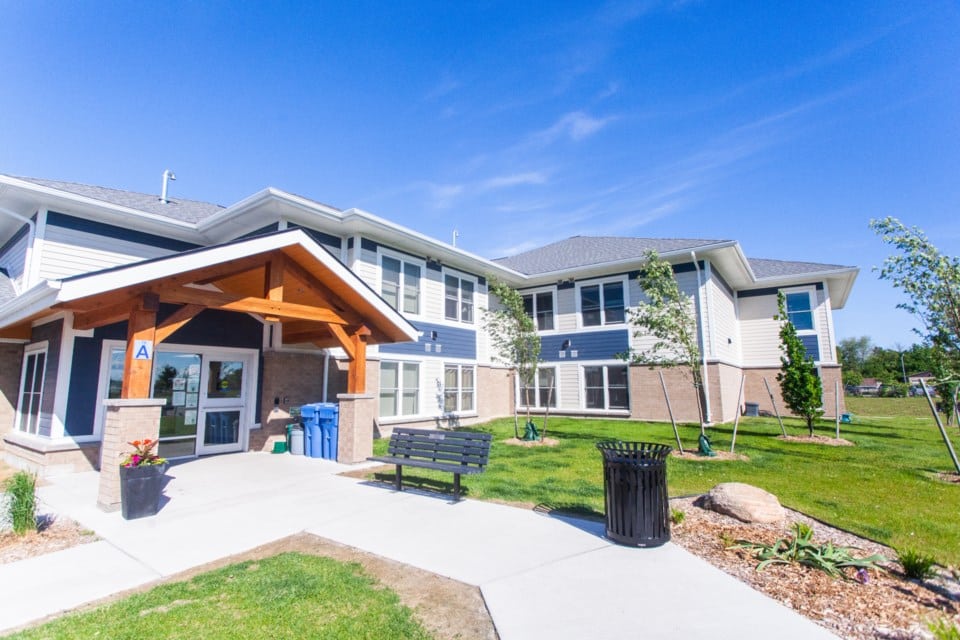
The Lighthouse’s supportive housing is categorized as transitional housing. While this program is still temporary, participants accessing it pay program fees and are able to stay for up to almost four years. Most participants in supportive housing have experienced chronic homelessness. As they develop a plan and gain skills that will move them toward permanent housing, The Lighthouse staff are there to support them with their goals.
There are, of course, other types of housing on the continuum that The Lighthouse does not currently provide. For example, permanent supportive housing, affordable housing, or market-rate rentals are the next steps for many Lighthouse participants. As part of The Lighthouse’s strategic plan, researching affordable housing and supportive housing is one of the priorities.
As part of the housing continuum, The Lighthouse’s services play a part in responding to the housing crisis. We know additional resources are necessary to address the gaps in Orillia on the housing continuum and we are committed to continuing conversations with our partners as we seek to address these challenges and find everyone a home.
Rosemary Petersen is the assistant director at The Lighthouse.