
Annual Canadian Alliance to End Homelessness Conference ‘is just the beginning of the conversation,’ says Lighthouse official
This is the 39th in a series of columns written by staff from The Lighthouse to help the community better understand people experiencing homelessness and those who support them. This column appears every other Monday.
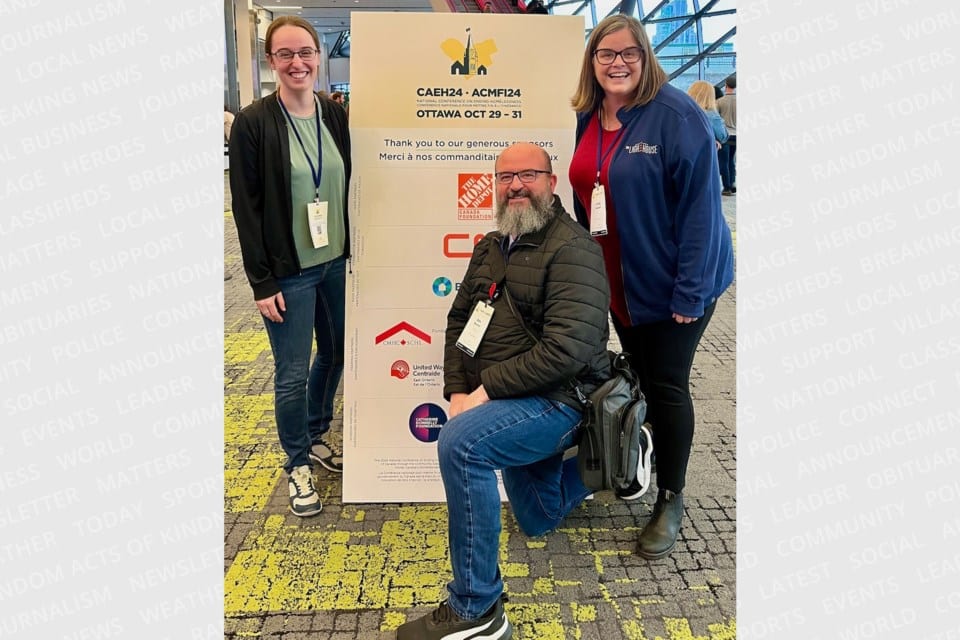
At the end of October, three staff members from The Lighthouse, along with a few people from the City of Orillia and the Elizabeth Fry Society Simcoe Muskoka, attended the annual Canadian Alliance to End Homelessness (CAEH) Conference in Ottawa.
As stated on the CAEH website:
“Since the first conference in 2013, the Canadian Alliance to End Homelessness (CAEH) has been equipping frontline workers, lived experts, policymakers, funders, and researchers with the inspiration, tools, and training they need to end homelessness across Canada.
“Our ambitious program includes 85+ sessions delivered by hundreds of national and international experts to up to 2,000 participants from across Canada and the globe. The program includes presentations on topics like campaign and advocacy, reconciliation and Indigenous homelessness; responding to unsheltered homelessness, youth and women’s homelessness. Together, we can end homelessness.”
By attending the CAEH Conference, The Lighthouse’s main goal was to learn from others — through experience, research, data, and policy — and bring back new ideas that can benefit our community in Orillia.
Sharing these insights is essential for our collective growth. Below are some of the key takeaways from our recent learnings, presented in no particular order:
Homelessness is a complex issue that no single organization or individual can solve alone. Tackling it requires collaboration, learning from others, and maintaining hope for change. By working together and supporting one another, we can build effective solutions that make a lasting difference in the lives of people experiencing homelessness.
The power of collaboration
Success in addressing homelessness depends on collaboration. By sharing knowledge and resources, we strengthen our ability to create meaningful change. We are not isolated in this work — we are part of a larger network of care.
Hope drives action
While the challenges are vast, hope is the foundation for action. By staying hopeful, we remain focused on creating solutions. Even small steps can lead to significant progress, and with hope, we can continue moving forward.
Addressing social determinants of health
Homelessness is tied to broader social issues such as poverty and mental illness. Partnerships, like the one with the Couchiching Ontario Health Team, are critical in creating more effective, holistic solutions. By collaborating across sectors — healthcare, housing, social services, and mental health — communities can provide better care and prevent people from falling back into homelessness after being discharged from the hospital.
The need for supportive housing
To prevent homelessness, we need more supportive housing options — permanent, stable housing with ongoing support services. Regular check-ins can help people maintain housing by addressing issues like rent payment, cleanliness, or isolation before they become bigger problems. This type of housing helps people stay connected to resources, build relationships and create stability over time.
Data as a tool for change
Data is a powerful tool in understanding and addressing homelessness. It tells the story of who is affected, how, and why. By collecting and analyzing data, we can better advocate for policies and programs that address the root causes of homelessness and track progress toward solutions.
Communicating change
Change must be communicated clearly and transparently. Listening to staff, participants and the community ensures changes are implemented effectively. By ensuring open communication, we create an environment where feedback is valued, and the work can evolve to meet the needs of those we serve.
Shifting the narrative
Public perception of homelessness influences policy and funding decisions. By shifting the narrative to include stories of resilience and success, we can build broader community support for addressing homelessness. When people see the positive impact of these efforts, they are more likely to support solutions that benefit the whole community.
Human connection is key
The foundation of all successful efforts to end homelessness is human connection. Building trust and relationships with participants helps them feel supported and understood. Whether it’s a simple conversation or offering a safe space, human connection is essential to lasting change.
Moving forward together
Ending homelessness is a challenge, but it’s one we can overcome by working together. By collaborating, staying hopeful, and building meaningful relationships, we can create a future where homelessness is no longer a reality. Together, we can help individuals rebuild their lives and create a stronger, more inclusive community.
Attending the conference is just the beginning of the conversation. The Lighthouse remains dedicated to collaborating with our community, municipality, county, and other organizations to actively work toward innovative solutions to end homelessness.
By being unified as a community, we can create lasting change and make a difference in the lives of those who need it most. We can build a future where homelessness is a thing of the past.
Linda Goodall is the former executive director at The Lighthouse. For further information contact Dale Rowe Executive Director at dale@orillialighthouse.ca
Rosemary Petersen is the managing director at The Lighthouse and can be reached at rosemary@orillialighthouse.ca.